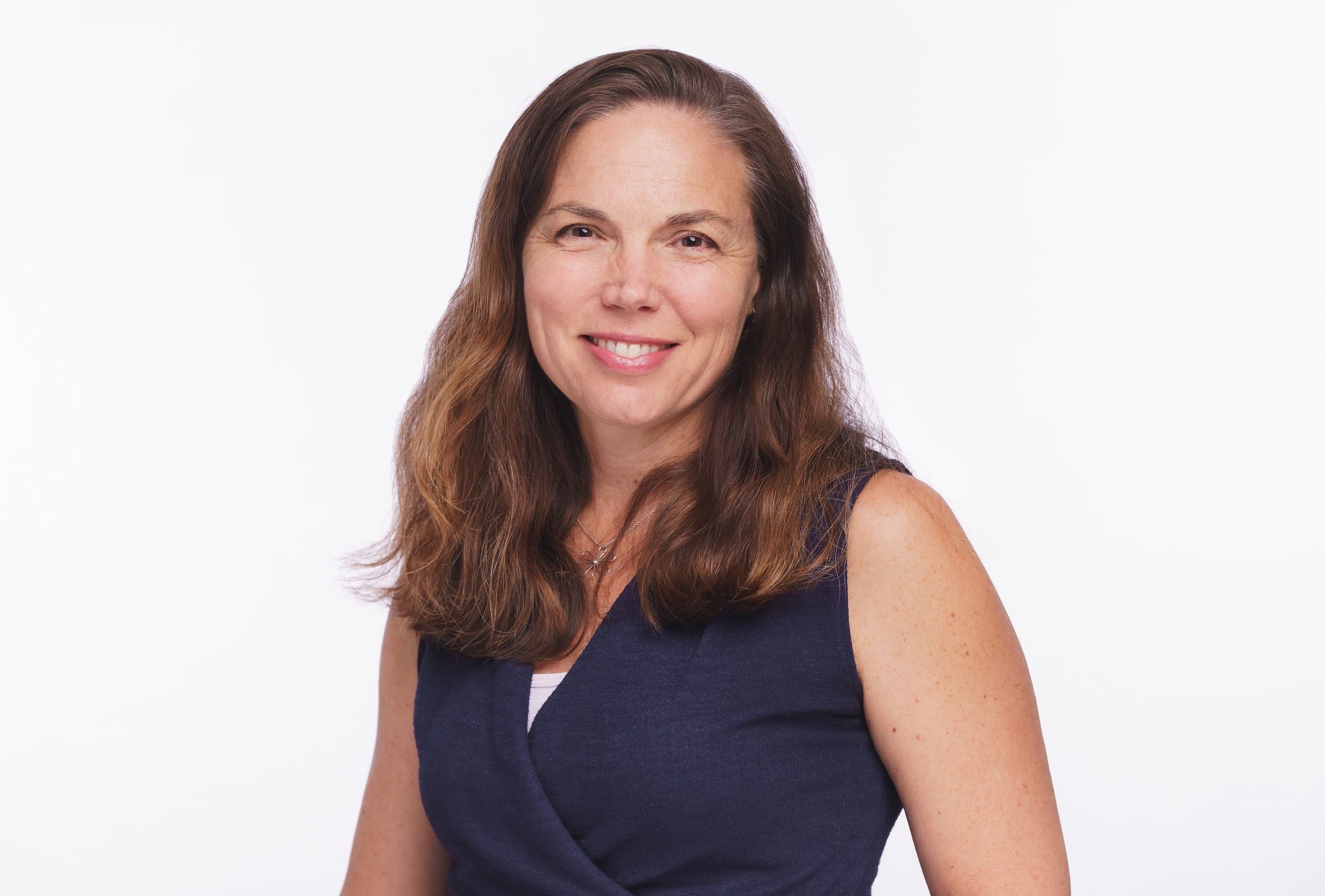
Lisa Guernsey
Senior Director, Birth to 12th Grade Policy; Co-Founder and Director, Learning Sciences Exchange

A recent podcast on BAM Radio delves into some important questions about the implications of the new technology statement from the National Association for the Education of Young Children. The podcast, titled “Play Dough or iPads in Early Education?,” featured the leaders of AEYC chapters from Florida, Texas, and Ohio, as well as myself.
Host Rae Pica opens the conversation by pointing out that the landscape is “changing so fast that technology used today may be obsolete a few years from now.” Does it make sense for 3- and 4-year-olds, for example, to be taught to use devices that may be outdated by the time they are in elementary school? Her question is a good one. Time is precious, and while I’ve written about the creative lesson-building that new technology can bring to early educators, I too cringe at the idea of teachers spending classroom time training children on “tech-handling skills.” Yes, educators have an obligation to help level the playing field by providing children from low-income families a chance to learn from tech-based resources that are already being embraced by more affluent families. But to me, ensuring equity means helping young children see the larger world around them by exposing them to the enriching content and two-way communication that new technology can bring. As I say in the podcast, “let’s look at the content that can come through the technology and how that can be integrated into lessons ” instead of teaching children to learn to turn on devices or manipulate different kinds of screen or what buttons to press to send a document to the printer.
The podcast explores other areas of debate as well, such as how to provide teachers with the training to integrate technology while still adhering to principles of developmentally appropriate practice (a recent report funded by the Joyce Foundation covers this subject well), as well as some thoughts on technology integration in half-day versus full-day programs. (Note: If you have technical difficulties in loading the podcast, try opening it in the Internet Explorer browser.) A direct link to the audio file is here.
Senior Director, Birth to 12th Grade Policy; Co-Founder and Director, Learning Sciences Exchange