Ken Sofer
Summer Fellow, Resource Security Program
Mega-delta cities sit at the intersection of the climate, economic, migration, and security challenges reshaping our world.
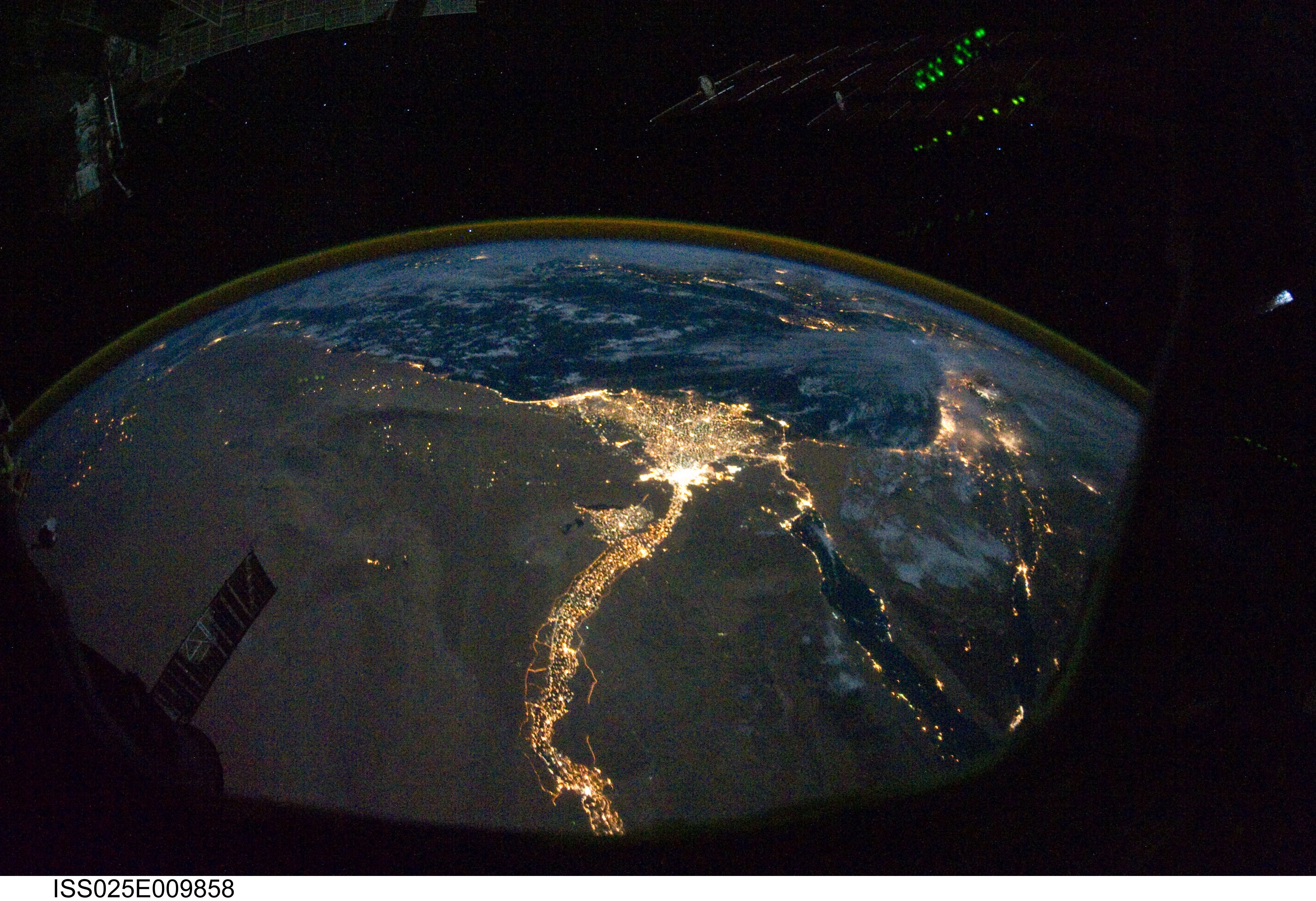
Few communities on the planet will be immune to the effects of climate change, but perhaps no type of community will be more affected than the urban mega-deltas of Asia and Africa, cities home to nearly half a billion people living and working where the world’s great rivers meet the ocean. Urban mega-deltas are uniquely situated at the intersection between the climate, economic, migration, and security trends that are reshaping our world, putting these communities in the eye of the climate-security storm.
The security challenges posed by climate change can be divided into two categories: direct threats such as extreme weather events and indirect threats caused by exacerbating existing social tensions and pressures.
The direct dangers of climate change can be felt mostly among coastal communities, which are threatened by more powerful typhoons and hurricanes and must protect themselves from the continual encroachment of the rising sea. Communities living along major rivers are also subject to the direct threats of climate change due to increasingly uneven rainfall patterns, making both droughts and floods more likely, while simultaneously reducing agricultural productivity through changes in sediment flow down the river. Meanwhile, many of the indirect dangers of climate change are focused on urban communities, where climate-induced rural to urban migration and resource shortages can spark social upheaval in cities already stretched thin.
Mega-delta cities sit at the intersection of all three types of communities. They are coastal, riparian, and urban, making them exposed to a range of climatic threats and effects. These communities – including Shanghai and Nanjing in the Yangtze River Delta, Cairo and Alexandria in the Nile River Delta, and Dhaka and Kolkata in the Ganges-Brahmaputra Delta – are also some of the most densely populated regions on the planet and the economic cornerstones of their countries, making the potential human and economic toll of these climatic threats extraordinarily high.
In a 2011 paper, Yale geography and urbanization professor Karen Seto looked at eleven mega-deltas from the Niger to the Yangtze and found that over the past 25 years, targeted economic policies, urban development programs, and the concentration of capital had transformed these areas into the economic centers of power of their home countries. This concentration of jobs and economic productivity attracted rural to urban migration, both within and from outside the delta, spurring their rapid growth.
The rapid urbanization occurring in mega-delta cities is part of a larger trend towards urbanization worldwide. In less than a century, the percentage of people living in urban areas has grown from 34% in 1960 to a projected 66% in 2050, with close to 90% of this growth concentrated in Asia and Africa according to the UN’s Population Division. Over the next 35 years, China, India, and Nigeria alone will add 908 million urban dwellers, much of it concentrated in four of the world’s eleven major mega-deltas.
The growth of urban areas in population is mirrored by their growing economic importance. Just 600 cities account for 60% of global GDP according to McKinsey, meaning that jobs, capital, and education are also increasingly concentrated in cities. This relationship between urbanization and economic growth is reinforcing – more people creates more growth, more growth creates more jobs, more jobs attracts more people. As developing economies in India, China, Vietnam, and Thailand shift from agriculture-based economies to manufacturing and service-based economies, the pull of cities – particularly in their major-delta regions – will only grow stronger due to the concentration of these sectors in urban areas.
But the rapid growth of cities also carries risks, particularly if local governments are poorly prepared for the influx of new people. This is most true with regard to the lack of affordable housing, resulting in large numbers of urban residents – particularly recent migrants – living in slums. In Bangladesh, where half the population lives in the Ganges-Brahmaputra Delta, 55% of urban residents live in slums. Similarly, half of urban dwellers in Nigeria live in slums, many of them in the Niger River Delta’s major population centers. In addition to the potential for social instability and frustration from such large populations living without access to running water and reliable housing, the structurally weak slums are highly vulnerable to the many powerful storms and floods common in river deltas.
The vulnerability of slum dwellers is exacerbated by the fact that most mega-deltas around the world are sinking. The land area of deltas is driven by two factors: the supply of sediment from the river and coastal erosion from the sea. The former supplies land, while the latter washes it away. When the two forces are in equilibrium, the land mass in the delta stays even, but in many delta regions sediment flows from the river are decreasing due to upstream damming and water diversion, while coastal erosion is increasing due to rising sea levels. The loss of land in the Mississippi Delta is one of the most visually dramatic examples of such loss.
These three global trends – climate change, rural to urban migration, and urban economic concentration – make urban mega-deltas some of the most dynamic, but also most vulnerable places on the planet. With an increasing percentage of people and capital concentrated in communities uniquely vulnerable to the coastal, riparian, and urban threats of climate change, the potential costs of a disaster are higher than ever.
Summer Fellow, Resource Security Program