Ken Sofer
Summer Fellow, Resource Security Program
Mending fences with its two potential energy partners could help Turkey become a regional gas hub.

In the span of a week, Turkey mended fences with two of its
biggest potential energy partners – Israel and Russia – raising speculation
about what might be in store for natural gas development in the Eastern
Mediterranean and pipeline projects in the Black Sea.
First, Turkish and Israel re-normalized
relations after a six-year break in the relationship following a
controversial clash in May 2010 over Israel’s naval blockade of Gaza. The
reestablishment of relations between the two U.S. allies was driven primarily
by security and trade imperatives, but the deal also opens up the potential for
a lucrative energy partnership.
The Leviathan and Tamar gas fields, located in the Eastern
Mediterranean in Israel’s exclusive economic zone, hold an estimated 28
trillion cubic feet of recoverable natural gas reserves according to estimates by
the U.S. Energy Information Administration. These reserves would be enough to
make Israel a natural gas exporter, but in order to deliver the gas to
potential customers, Israel would need to partner with another country.
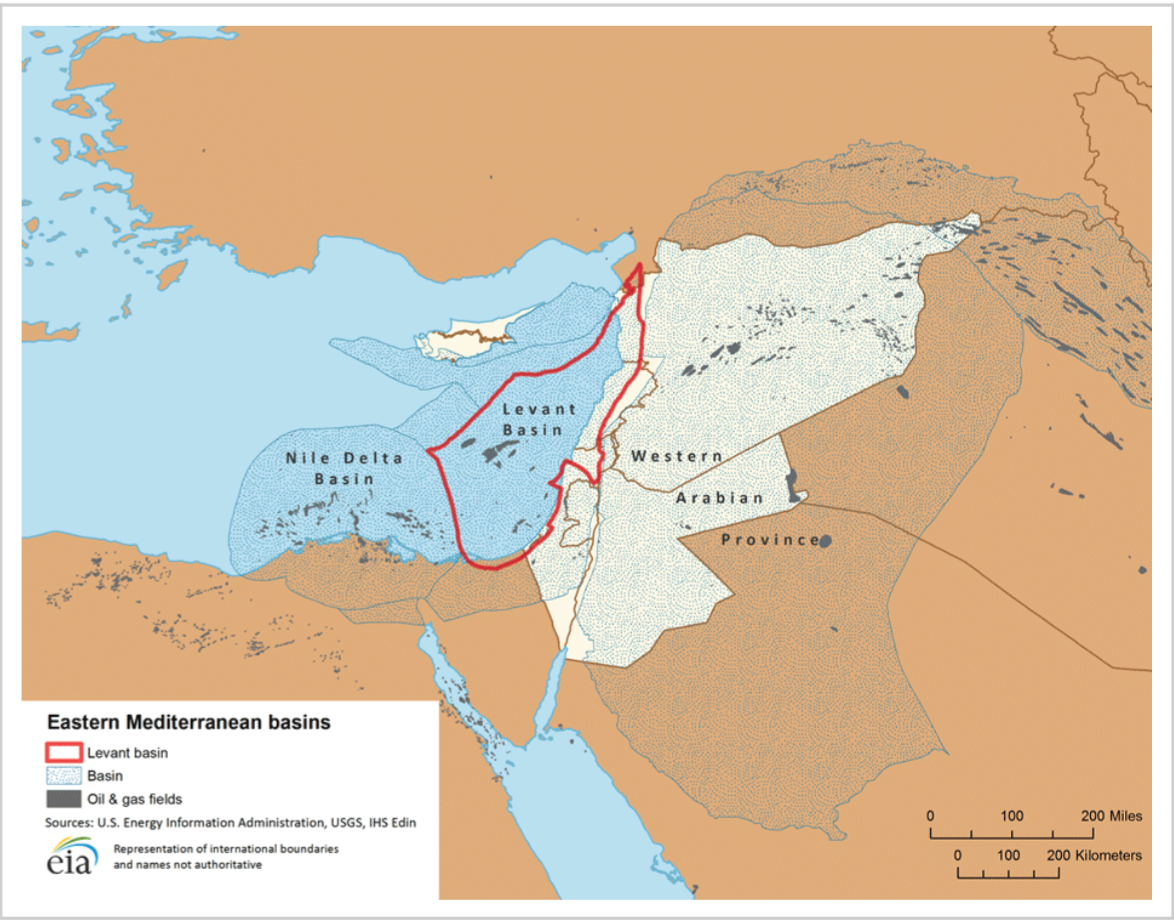
One option is to build a gas pipeline from Israel to Turkey,
which would connect Israeli natural gas to hungry European customers looking to
diversify their gas imports away from Russian supply. With the news this week of
reestablished Turkish-Israeli relations, that option just became much more
viable.
Just days later, Turkish President Recep Tayyip Erdogan and
Russian President Vladimir Putin spoke over the phone
to repair the Turkish-Russian relationship, which has been strained by Russian
support for the Assad regime in Syria and came to a standstill in November when
Turkey shot down a Russian fighter jet flying near the Turkish-Syrian border.
One
of the victims of the break in Turkish-Russian relations was the proposed $12
billion Turkish Stream project, which would have routed Russian gas through the
Black Sea and Turkish Thrace on its way to the Balkans and Russia’s European
customers. The pipeline would have allowed Russian to largely bypass Ukraine as
the main transit hub for Russian natural gas exports to Europe, an objective
made all the more important for Russia given the collapse of Russian-Ukrainian
relations following Russia’s invasion and annexation of Crimea.
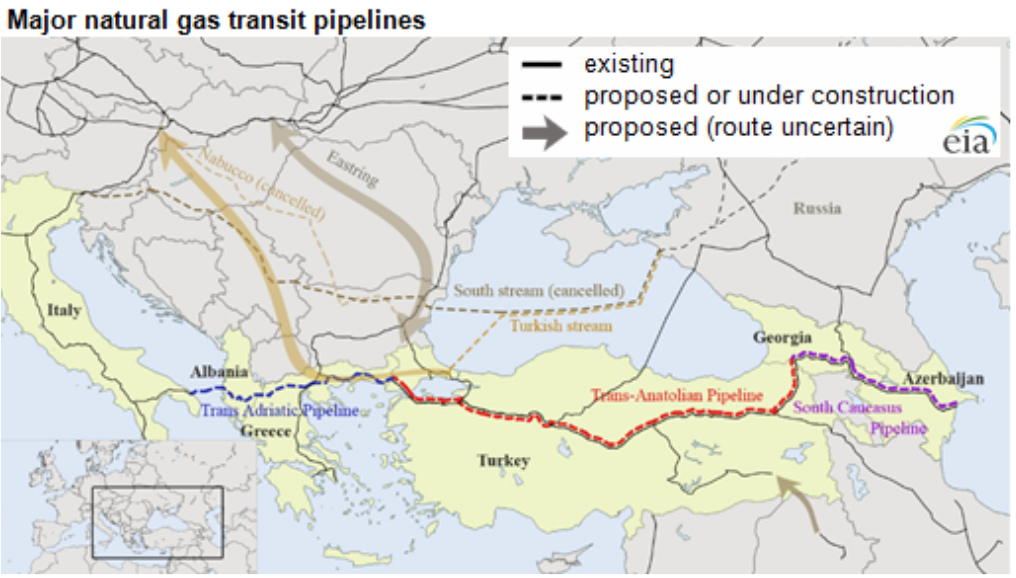
But after the November fighter jet incident, Russia called
off negotiations and planned construction, leaving Moscow’s energy exports
stuck between two political rivals. Now that both countries are taking steps to
get their relationship back online, Turkish Stream has become a possibility
once again, which Russian state-owned energy giant Gazprom made clear in a recent
public statement.
By repairing
its relations with Israel and Russia, Turkey puts itself in a much stronger
position to be a regional gas hub, an aspiration Turkey has talked about for
years, but has so far failed to realize. Many steps remain before Israeli gas
can be produced or Russian gas can be transported, but Turkey’s pair of
reconciliations was a crucial first step.
Summer Fellow, Resource Security Program