New Database Tracks Dual Language Learners Policies in the States
Last year I wrote Chaos for Dual Language Learners, which covered the wide variety in states’ rules for reclassifying dual language learners (DLLs) out of formal language support services. It was a surprisingly challenging project, and when it was published, I included this passage:
A note of caution: while each state’s policies were verified to the best of our abilities as accurate and current when recorded, these rules are both fluid and arcane. Several states changed their policies during the period when this paper was being written. It is likely that other states have recently done so, or will soon do so. Since these changes are rarely broadcast beyond small slices of each state’s education community, if at all, they are exceedingly difficult to track.
In other words, while states’ reclassification policies matter a great deal for DLLs and their families, they are hardly an area of focus for most people involved in American education (as students, parents, teachers, administrators, or legislators). This means that changes to those rules—and others that determine how DLLs are served in U.S. schools—can be difficult to follow. Which wouldn’t necessarily matter, except that it’s impossible to evaluate which state policies support DLLs effectively if we don’t know what various states’ policies are.
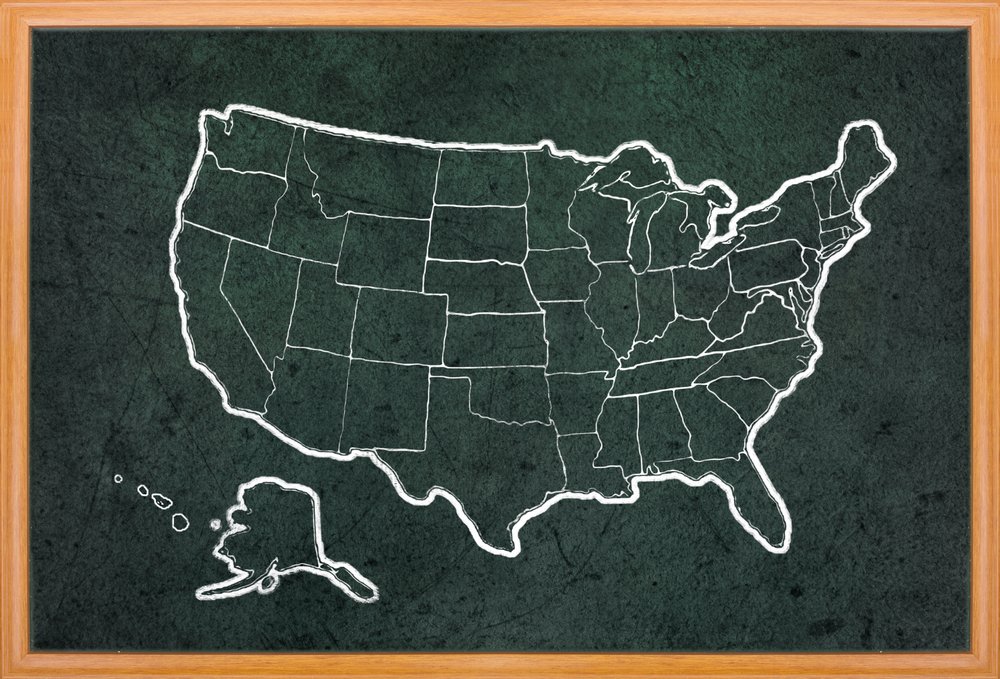
But the advent of a new database of states’ DLL policies from the Education Commission of the States ought to make these sorts of projects a little bit easier. What funding model does Minnesota use to support districts serving DLLs—categorical or formula funding? (Formula.) How much additional funding does Arkansas provide districts for each DLL they serve? ($305.) Does South Carolina offer a seal of biliteracy for high school graduates who are proficient in two languages? (No.) What training does California require for mainstream teachers? (They must have a language learner certificate.)
It’s impossible to evaluate which state policies support DLLs effectively if we don’t know what various states’ policies are.
And so on and so forth. What are some of the quirkier state policies for serving DLLs? The database has a page for those as well. One example: Iowa public schools providing language services for DLLs must also provide them “to students attending an accredited private school in the district.”
As part of the launch, ECS also released a report by policy analyst Micah Ann Wixom. The report synthesizes lessons learned during a December convening of DLL experts, including AIR’s Diane August, Stanford’s Kenji Hakuta, WestEd’s Robert Linquanti, Nevada’s Dale Erquiaga, and others.
The report is replete with ideas for how to improve state, and federal, DLL policies. For instance, it recommends replacing deficit-mindset terms like “Limited English Proficient” and “English Language Learner” with asset-based terminology for referring to these students. It also recommended that states fund high-quality pre-K and involve parents in those programs. And making the most of those investments requires “clear parent communication” and “cultural competency.” This, in turn, requires educators, administrators, and other staff to “receive cultural competency training through teacher or administrator preparation programs and ongoing professional development.”
There’s much more in the report—and the database. Which is good news for folks interested in tracking down the details of state policies affecting DLLs. And a critical step in the project of figuring out just which policies work best for them.
(To read Corey Mitchell’s Education Week story on the new ECS report and database, click here.)
—
Note: This post is part of New America’s Dual Language Learners National Work Group. Click here for more information on this team’s work.
“
More About the Author
Issues
Programs/Projects/Initiatives
Related

In 2026, States and Congress Will Need to Mitigate the Damage to PreK-12 Education

Identifying English Learners in Pre-K: State Policies, Rationale, and Practices
What to Know About Education Funding in Biden’s Budget