Laura Bornfreund
Senior Fellow, Early & Elementary Education

Earlier this month, I had the opportunity to participate in a conversation on the Whole Child Podcast about education for our youngest learners in pre-K and the early grades. Much of the podcast focused on how pre-K and kindergarten are becoming more academic and allowing for fewer opportunities for children to play, socialize, explore, and direct their own learning.
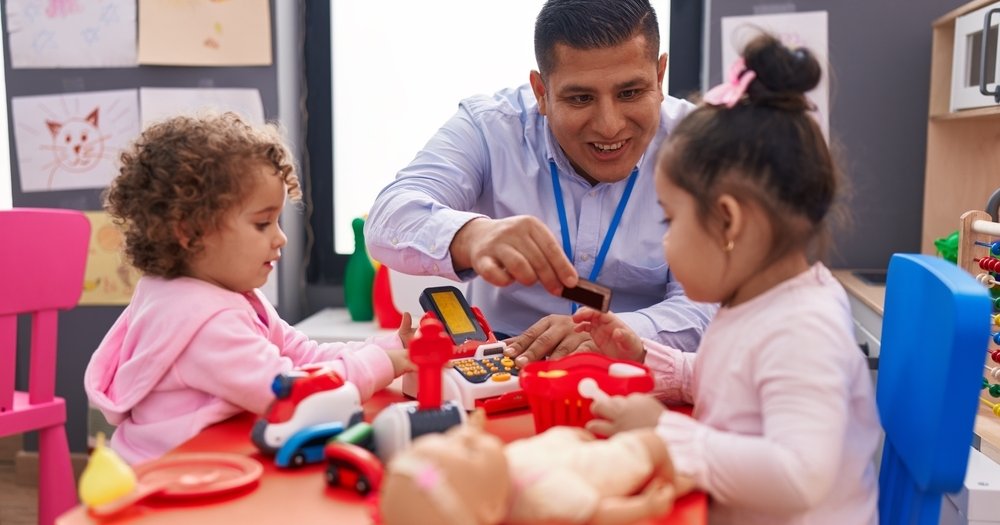
In my comments, I point out that young children do need free play and recess. But teachers should think intentionally about how to use play as tool for learning. Good teachers are able to provide ample time for children to play, explore, and learn more about things they are most interested in, as well as build children’s literacy, language, and numeracy skills and knowledge in science, geography, and other subject areas.
Early grade teachers need a deeper understanding of child development and they need to feel supported to instruct children in the ways they learn best. Pre-service teacher preparation programs need to do a better job of providing coursework in how young children learn new concepts and opportunities for prospective elementary school teachers to practice teaching in a K or first-grade classroom. In order to better support early grade teachers, elementary school principals need an understanding of early child development too. They need to know and understand that when they walk into a pre-K, kindergarten, or first grade classroom, they shouldn’t see children sitting in rows, listening quietly to a teacher lecture or filling out a worksheet.
Listen to the entire podcast, “Early Childhood Education: Balancing Expectations and What Young Learners Really Need,” here.”
Senior Fellow, Early & Elementary Education