
Mary Alice McCarthy
Senior Director, Center on Education & Labor
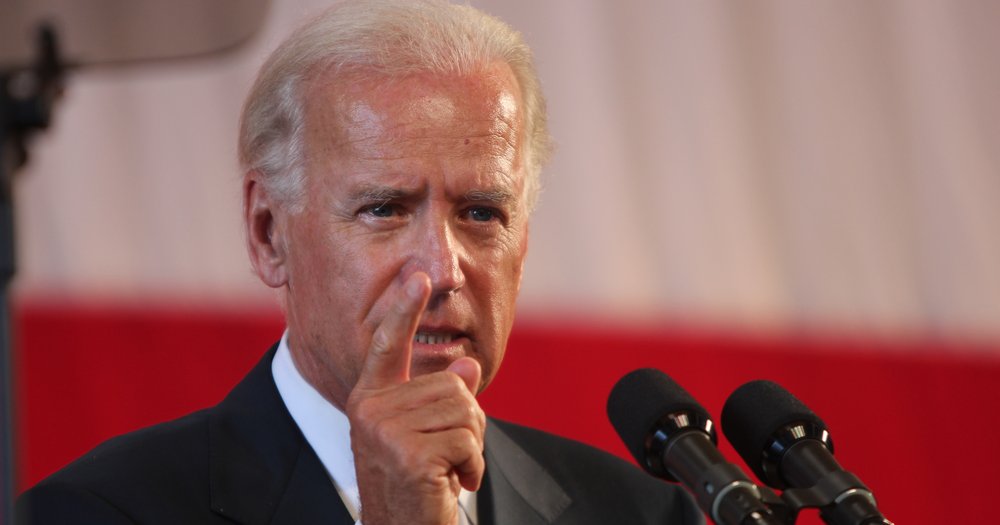
In his 2014 State of the Union address, the President charged Vice President Biden to conduct a review of the country’s federal employment and training programs to ensure that they are “job-driven, integrated, and effective.” On July 22nd, the same day the President signed the new Workforce Innovation and Opportunity Act (WIOA), the Vice President’s office released its findings in two publications: Ready to Work: Job-Driven Training and American Opportunity and What Works in Job Training: A Synthesis of the Evidence. Together, the reports provide a comprehensive look at federal employment and training programs, and will be a valuable resource to anyone wanting to understand the workforce development field and the evidence base that is driving policy and practice.
The Vice President’s review was expansive and included important programs that often get left out of policy discussions around the skills gap, like the Department of Commerce’s Manufacturing Extension Partnership (MEP) and the Department of Agriculture’s Supplemental Nutrition Assistance Programs (SNAP) Employment and Training program. At the same time, it effectively rebuts the notion that our federal employment and training system is full of duplicative and redundant programs. The claim that there are forty-seven distinct employment and training programs implemented across ten federal agencies may be factually correct, but it is also quite misleading. The large majority of federal funds come from just four agencies and a handful of programs – WIOA, Temporary Assistance for Needy Families (TANF), the Carl D Perkins Career and Technical Education Act (CTE), and a couple of military tuition assistance programs financed through the Departments of Defense and Veteran’s Affairs. Together, these programs account for about $18 billion in federal spending.
Both reports do an excellent job identifying what makes job training programs effective. The What Works report points to an impressive body of research and evaluation studies that have generated evidence on effective (and not so effective) practices across a wide domain, from big programs like the Workforce Investment Act and Job Corps, to smaller programs like correctional education and local sector initiatives. Ready to Work synthesizes the research findings and organizes them into a handy seven-point “job-driven checklist” that can be used to guide the design and implementation of job training programs. As the report makes clear, successful employment and training programs are not one-size fits all – they need to be designed around the needs of specific groups and learning contexts, which will vary significantly. That said, programs should incorporate practices like employer engagement, timely labor market and performance data, flexible on-ramps and off-ramps to help people move between work and school, and regional public-private partnerships. In fact, the Vice President’s checklist captures a growing consensus within the workforce development field around a consistent and coherent set of evidence-based practices that, when implemented together, are effective for supporting students, job seekers, employers, and local economies. Career pathways initiatives and sector strategies are the most developed of these comprehensive approaches, which explains why both figure prominently in the review, and in the new workforce bill.
The final section of Work Ready details how the administration is tackling the challenge of making federal programs more job driven and effective, with a particular focus on efforts to help long-term unemployed and low-skilled adults. The list includes some new (small) investments, reforms to existing programs, and efforts to better coordinate programs implemented across different federal agencies. The most exciting of the new investments (actually announced back in April) is the $100 million American Apprenticeship Grant Program, which will support the development and/or modernization of apprenticeship programs. When it comes to connecting work and learning, nothing beats an apprenticeship program, so here’s hoping the program is successful and the first step toward much wider adoption of these models by American businesses (look for the solicitation in October). With regard to reforming existing programs and better coordinating efforts across federal agencies, the “job-driven checklist” provides a much-needed benchmark to guide those efforts. It may not sound like much, but having employment and training programs from across the federal government referencing a common framework and using common metrics to measure success can make a big difference, particularly to the state and local policymakers implementing programs on the ground.
While the Vice President’s review brings together a lot of valuable information and insights, the mishmash of activities, and the relatively small amounts of new money, reflect three tough realities facing efforts to build more pathways to good jobs. Specifically:
The major findings from the Vice President’s review will not come as a surprise to anyone in the workforce development or career education field, but they do point to an impressive foundation of effective practice. Scaling comprehensive approaches that link education and employment is not easy, particularly in today’s fast-paced and competitive economy. But knowing what works is half the battle, and we know a lot. Now we need to get more creative about finding the right policy levers and investment strategies to generate stronger linkages between education and work. If the Vice President’s review helps us make that next step, it will have been time well spent.
Senior Director, Center on Education & Labor