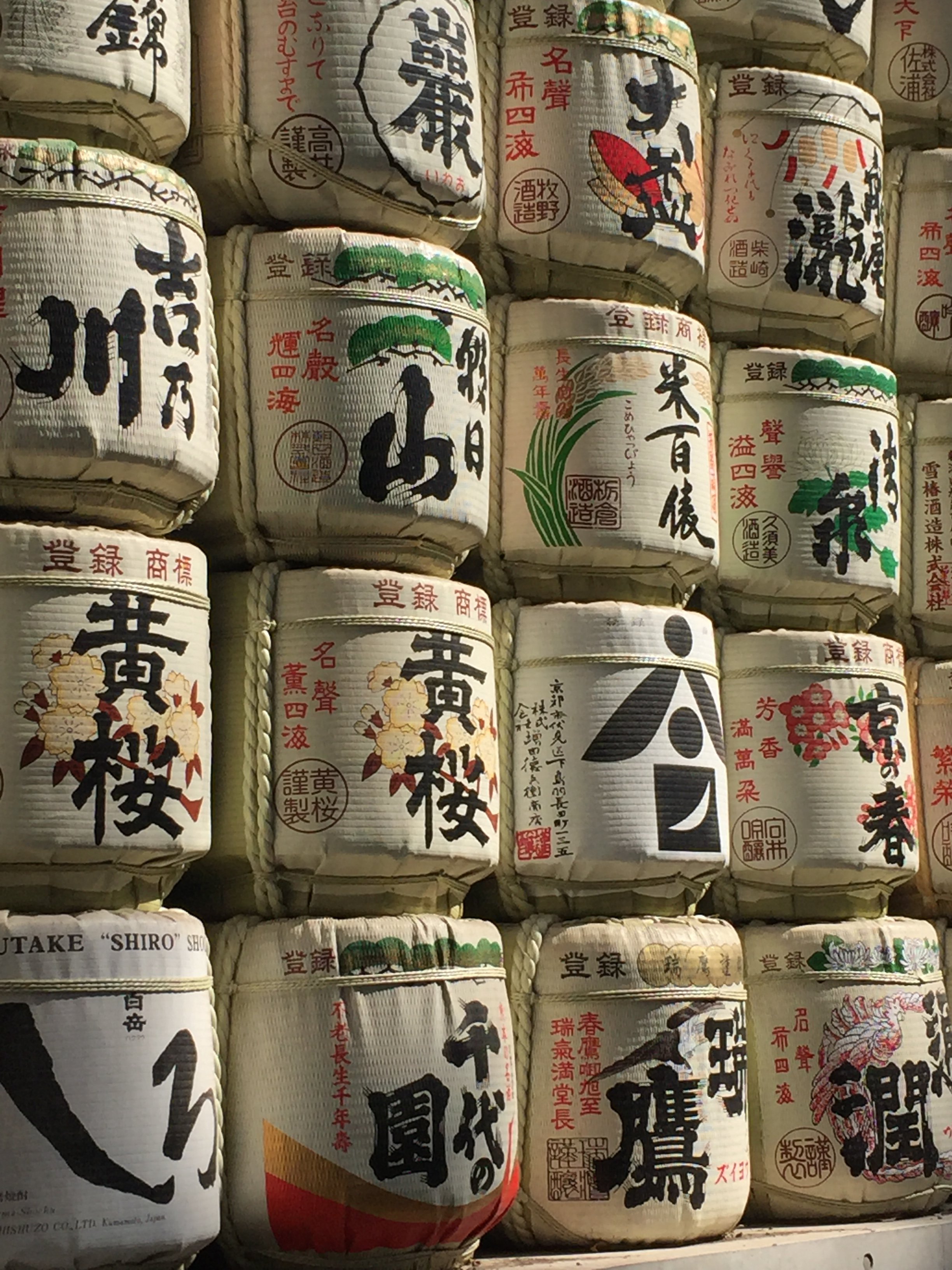
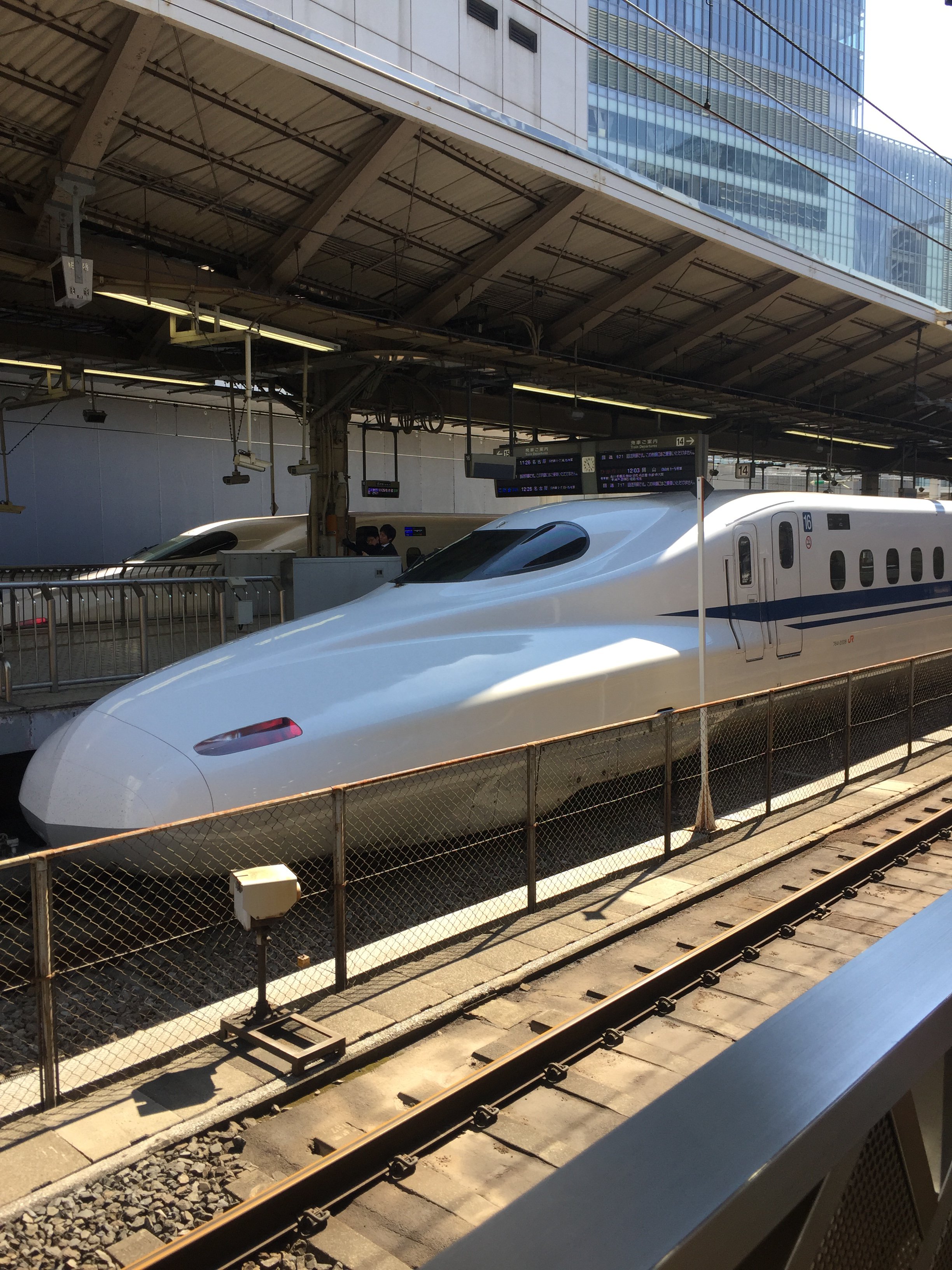
In 2017, my fellow New American, Emily Gallagher, joined me on an energy and climate security study trip to Japan, at the invitation of Sasakawa USA. I’ll return to Japan next month, again with the support of Sasakawa USA, to look at Japan’s brand of “Phase Zero” national security planning, along with my former colleague, Tarak Shah, who will be looking at changes in Japan’s utility sector. As a longtime observer of Japan’s national security but first time actual visitor, I was struck by the fascinating contradictions in modern Japan: the unruffled calm of Zen micro-temples dotting the go-go-go skyscraper landscape; a buttoned-up culture of respect full of emojis and mascots; a prim and pinstriped city with an entire district devoted to anime and manga. Japan’s energy situation is no less paradoxical: it is both robust and precarious, worsening and hopeful. I’ll be changing gears for the upcoming trip, but wanted to share reflections on the country’s energy situation.
Japan, the world’s third largest economy, is energy insecure, and that has grave implications for the country’s future.
Energy is a baseline commodity for all economies, meaning that a
consistent, affordable, and sustainable energy supply is necessary for both
popular welfare and ultimately for economic competitiveness. Today, Japan
imports more than 90% of the energy it consumes, almost all of it fossil fuels,
making Japan the world’s third largest net importer of oil, the largest net
importer of natural gas, the third largest net importer of coal, and one of the
world’s largest emitters of greenhouse gases.

Sharon Burke
Japan has long addressed this weakness with a three-pronged
energy security strategy, largely within the framework of economic security:
increase the efficiency of consumption; diversify fossil fuel suppliers,
including through Japanese national oil and gas company exploration and
investment; and increase domestic supply through nuclear power. The first leg
of this three-legged stool, energy efficiency, has been a success story for
Japan, which has almost half the per capita energy consumption of the United
States. The country has diversified fossil fuel suppliers, as
well, now buying oil and gas from more than 15 countries, with world class
exploration and production companies. The aftermath of the 2011 earthquake and
tsunami cut one leg out from under Japan’s energy security stool altogether,
however, bringing the share of nuclear power in Japan’s primary energy
consumption from around 13% to less than 1%. This also increased Japan’s
greenhouse gas emissions and transformed a longstanding trade surplus into a
significant trade deficit.
But Japan’s energy import dependence is also a national
security concern. Energy imports can be interdicted for political gain by
attacks, sabotage, and even non-kinetic pressure by nations or sub-national
groups. Even conflicts that do not involve Japan could be devastating. 82% of
Japan’s oil and 24% of its natural gas come through the Strait of Hormuz, for
example, one of the most vulnerable maritime chokepoints in the world, where a
new regional war may well be brewing between Iran and Saudi Arabia. Although
the percent of Japan’s natural gas dependency on the Strait of Hormuz is lower,
that supply would likely be even more difficult and expensive to replace, at
least in the short term. In addition, domestic critical infrastructure is
vulnerable to deliberate or accidental attack (i.e., a missile test gone awry)
from foreign powers and domestic groups. OPEC, China, the United States, and
other countries have used energy and minerals sanctions and other trade
manipulation as a coercive tool or weapon of war, as well (and continue to do
so). Finally, the growing competition with Japan from China, South Korea, and
India, especially for natural gas, has the potential to inflame regional
rivalries and tensions. China may well have a strategic advantage in
geopolitical energy relations; it is the single largest customer for Saudi
Arabia, for example, which gives the Chinese strategic leverage with the Gulf’s
largest producer.
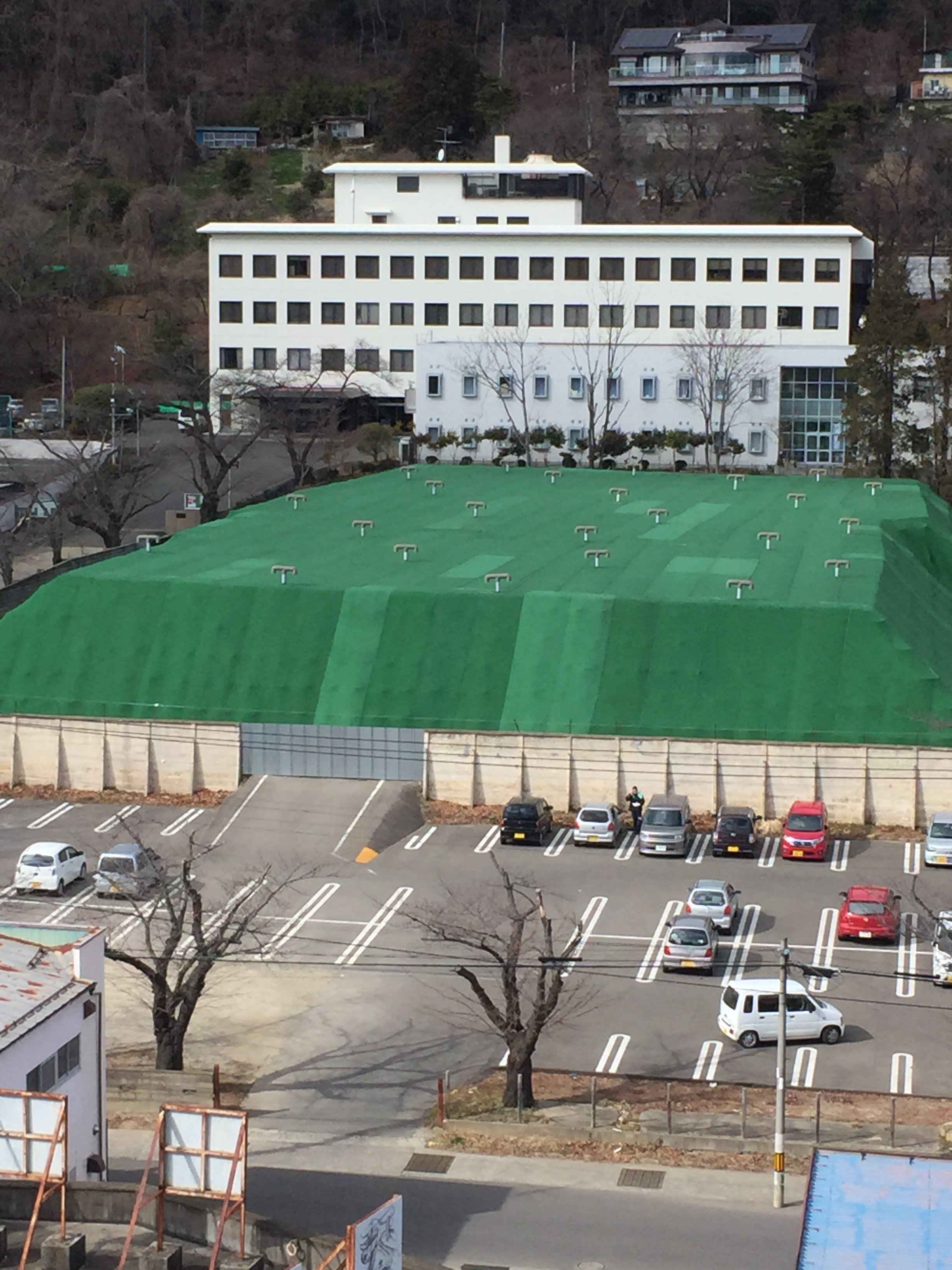
That nuclear leg of Japan’s energy stool may remain broken. Pause and consider the magnitude of the Great East Asia or Tohuku earthquake of 2011: it was a 9.1 magnitude temblor, so large, it shifted the Earth on its access and moved parts of Japan almost eight feet closer to North America. As a native Los Angelena, where I was raised on earthquake drop drills, I can barely even imagine an earthquake of that magnitude. But that’s not all: the ensuing tsunami was more than 130 feet tall in places. Some 19,000 died in the quake and tsunami, one of the worst natural disasters in modern history. And yet, it is the ensuing meltdown of the Fukushima Daiichi nuclear plant that seems to most haunt Japan, both spiritually and literally, as the country struggles with cleanup and decommissioning of the highly contaminated plant. The aftershocks in Japanese public confidence in nuclear power continue, and it seems unlikely the country will be able to restart all of its 54 nuclear plants.
Sharon Burke
As Japan nears the seventh anniversary of the earthquake, the conventional fuels wisdom (see the U.S. Energy Information Administration’s new fact sheet on Japan, for example), that oil, coal, and natural gas are Japan’s only real options beyond nuclear, does not truly seem to be the case. Japan has solar, wind, ocean, and especially large geothermal resources and the advanced technology to take advantage of those resources. Indeed, Japan exports renewable energy technologies, such as geothermal and solar, to other countries that it does not seem to make extensive use of domestically. Given the high price of fossil fuels in the region, especially natural gas, alternatives are also relatively affordable. Even so, dislodging fossil fuels from the third largest global economy would not be easy, given the scale of demand, but in Japan’s case, any substitution would be a gain in national and economic security. And yet, energy security barely seems to be part of the national conversation in Japan, and that is a truly puzzling paradox.
More About the Author
Issues
Programs/Projects/Initiatives
Topics
Related
A New Military Energy Imperative
Hydro-Poverty: How Global Water Crises Impact the Poor
Made in China 2025 and the Remaking of Global Supply Lines