Abbie Lieberman
Senior Policy Analyst, Early & Elementary Education
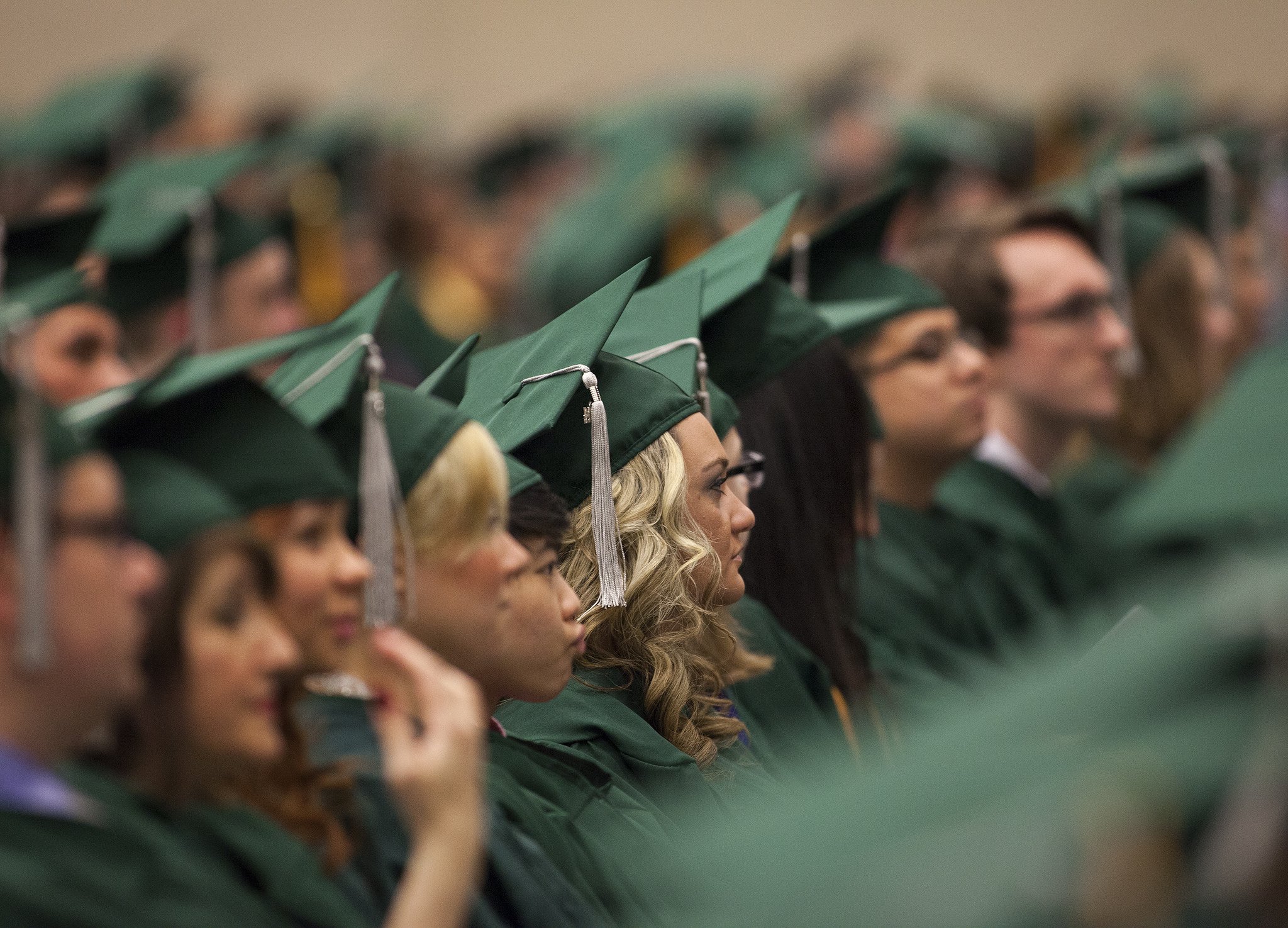
Working for an organization with an incredible team of higher education policy analysts, I hear and read a lot about the hurdles and roadblocks that many students in the United States face to attending and graduating from college. The cost of a four-year degree has doubled over the last 20 years, making higher education feel out of reach for many and saddling students with extraordinarily high debt. And what we once thought of as “nontraditional” students (those who are over 24-years-old, have children, work full-time, etc.) now make up a majority of the college-going population. These students face different challenges than their “traditional” peers and yet many institutions of higher education (IHEs) are failing to meet their needs.
Many early childhood educators pursuing higher education fall into the category of nontraditional student. While earning very low wages, they juggle school work with their taxing jobs and family responsibilities. The National Academy of Medicine’s 2015 Transforming the Workforce report recommends that the field move towards requiring all lead teachers of children birth through age 8 to have a bachelor’s degree or equivalent credential with specialization in early childhood education. Achieving this would require major changes in the systems and programs that prepare early childhood educators, particularly those working with infants, toddlers, and pre-kindergartners. Institutional leaders and policymakers will need to figure out how to both reduce barriers to earning degrees and to improve the quality of those degrees.
Back in February, our Early & Elementary Education Policy team hosted a private convening titled “Reaching Higher: Exploring How Institutions of Higher Education Can Better Prepare Early Childhood Educators” to delve into how IHEs equip those teaching and caring for young children. We brought together a group of approximately 40 researchers, education administrators, program administrators, and advocates from the early education, teacher preparation, and higher education fields for a candid discussion. We focused on the barriers that IHEs face to serving students, as opposed to the barriers that students face in earning their degrees. We set out to identify obstacles to improving higher education access and quality for early educators, and explore opportunities for reform.
This group brought together diverse experiences and raised numerous challenges to better serving this workforce. We started the morning off with presentations and panel discussion with three leading experts in this space. They set the stage with a discussion of the state of the current workforce drawing on The Early Childhood Workforce Index 2018 and recommendations for higher education from the Transforming the Workforce report and the companion Transforming the Financing of Early Care and Education report.
The group identified key barriers that IHEs face to serving this workforce, such as:
This convening was a strong start to uncovering what supports and reforms IHEs need to ensure that all early educators have access to high-quality preparation and it left us with many questions for future research. There are many important barriers that we did not get the chance to dig into, such as remedial education, online learning, and teacher licensure.
We are thinking about how to further explore the systems-level changes required to enable IHEs to better meet the needs of the workforce and identify innovations already underway. Are you interested in being a part of this work in the future? If you’d like to learn more or share your expertise on how IHEs can better serve early childhood educators, please fill out this form.
Enjoy what you read? Subscribe to our newsletter to receive updates on what’s new in Education Policy!
Senior Policy Analyst, Early & Elementary Education