Energy Security in the 21st Century
This is the second of a three-part series of infographics on how climate and technological change are redefining energy security.
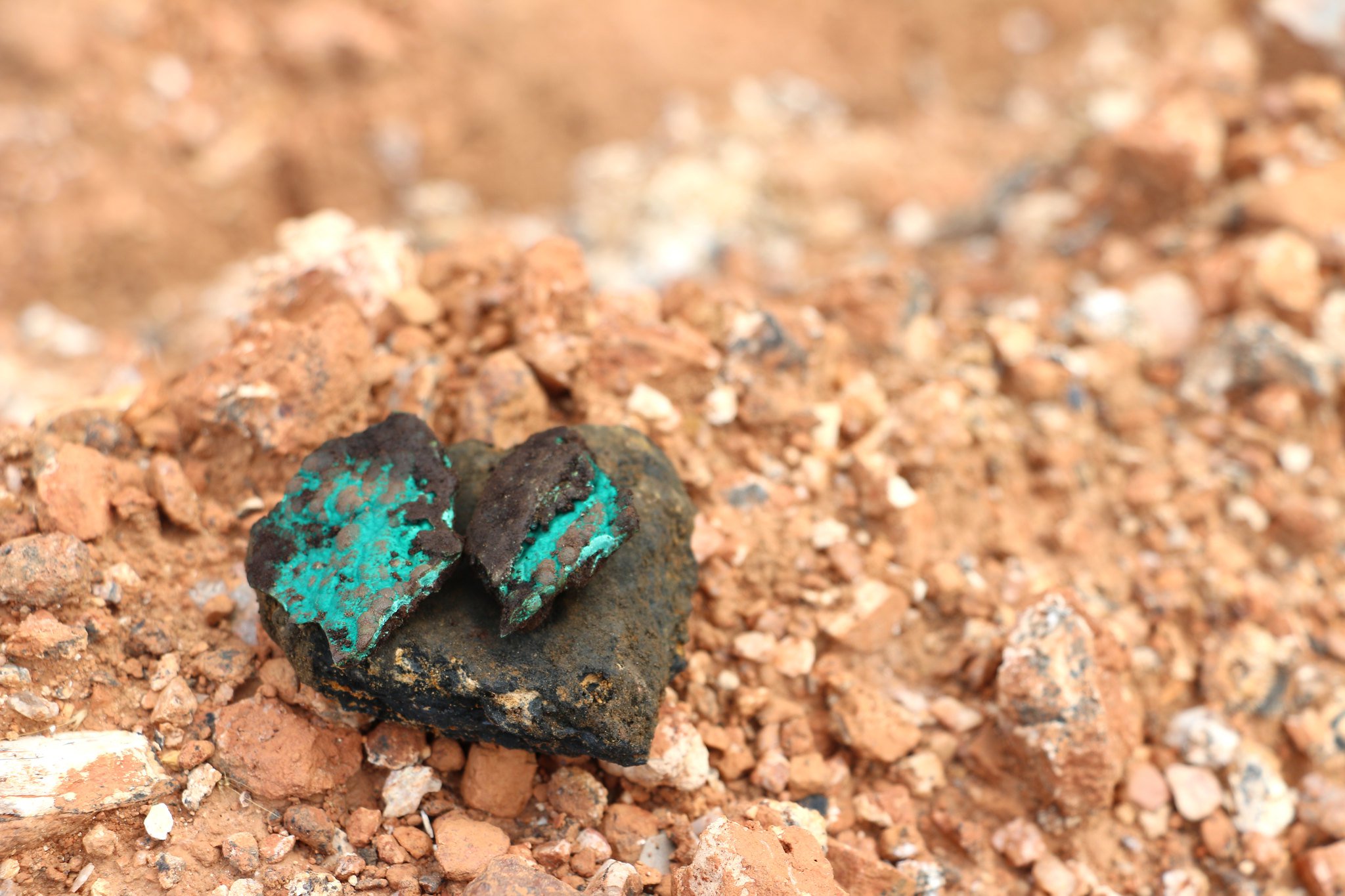
Since the First World War, oil has been a defining resource for national security and industrial growth alike. Yet, a swath of critical minerals are becoming increasingly important to the global economy, shifting the geopolitical landscape of energy resources: cobalt and lithium in batteries, indium and tellurium in solar panels, niobium in high-strength steel, as well as neodymium and dysprosium in wind turbines and electric vehicle motors.
Though they may not be familiar by name, these minerals already underlie our everyday lives, from phones and computers to medical and defense technologies. Yet, an order of magnitude more in production will be necessary to transition to clean energy sources and avoid the worst effects of climate change. An iPhone contains just a fraction of an ounce of lithium in its battery; a Tesla sedan requires over 20 pounds.
Currently, only a few countries supply these minerals, making them vulnerable to manipulation or disruption—potential economic weapons in a new world order. For example, mines in the Democratic Republic of the Congo produce over half of the world’s cobalt. China controls nearly all of the world’s rare earth element supply, the class of minerals that includes neodymium and dysprosium.
These countries will emerge as focal points of international competition, just as oil states have had outsize influence in the 20th century. Securing access to these resources and strengthening relationships with their suppliers will be essential to a stable and prosperous society.
More About the Author
Related
Climate Security: Building a Community of Practice
Climate Change, Peace and Security, and the UN Group of Friends

Infrequently Asked Questions