End of Year Recap and Reflections from the New Practice Lab

At the New Practice Lab, we work with our partners to support policy design and implementation that is people-centered, participatory and rooted in racial equity. This year brought about an unanticipated number of challenges and interventions by our government and non-profit partners to address the multiple intersecting crises on our hands. Our team has had the privilege of working together with them to use our methods to ensure programs and policies are designed and delivered with the needs and input of families at the center.
Here is a look back at some of our team’s biggest strides and takeaways from the year.
New Solutions are Emerging for Cash Assistance: Since the start of the pandemic, emergency cash assistance funds have been started across the country. These funds sought to get money to families and workers that were intentionally excluded from the CARES act and other government benefits as quickly as possible. In partnership with the National Domestic Workers Alliance, which created its own $25 MillionCoronavirus Care Fund, our team sought to learn as much as possible about how to establish cash assistance funds so that those lessons could be shared with other organizations, cities, and states that want to establish, or are in the process of establishing, their own funds. Ultimately, the team agreed that these programs are “just a drop in the bucket” compared to the level of need that exists across the country. Public programs excluded large numbers of workers, including immigrants, necessitating the creation of these funds. The focus of future legislation should be on expanding eligibility criteria and designing inclusive, equitable benefit programs.
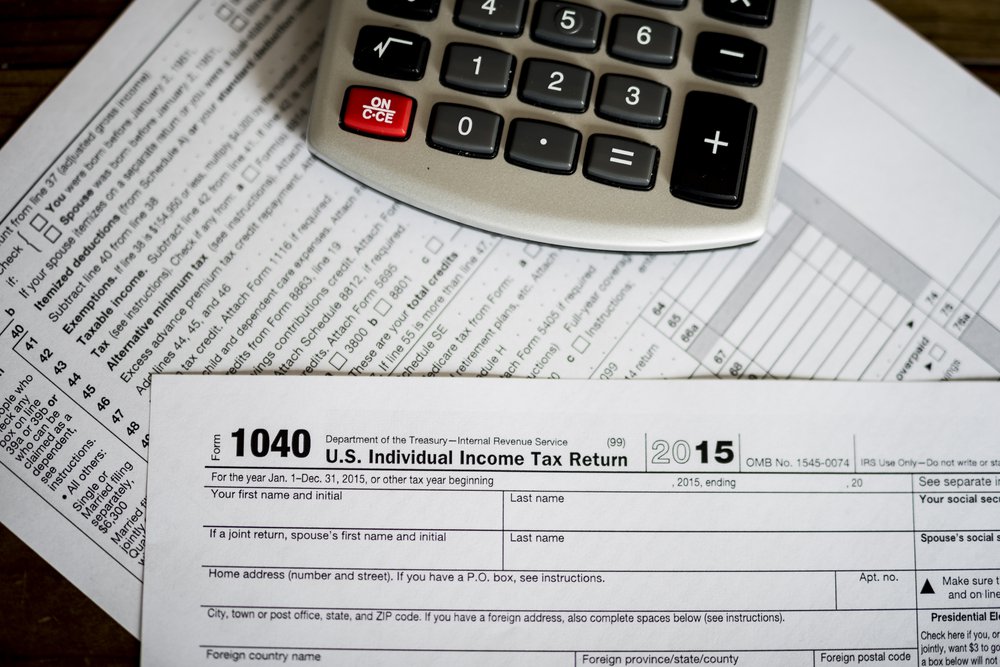
CARES Act Economic Impact Payments (EIP) – Discovering the ‘Filing Trap’: The CARES Act appropriated $1,200 to every adult and $500 to every child, covering most of the population and distributing approximately 165-170 million payments. While most payments were paid automatically and relatively quickly, tens of millions struggled to get payments through May and June, and 5 10 million in benefits remain unpaid.
Our research revealed that the IRS’s payment processes also unintentionally interfered with the tax filing process. Millions of households seeking stimulus checks accidentally locked themselves out of filing taxes and accessing much larger EITC payments — we dubbed this “the filing trap.” Several aspects of the rollout presented options for longer term action. The stimulus brought many households into the IRS system for the first time, where they can more easily access EITC, which 20% of eligible households generally do not claim. And, some reforms that the IRS undertook to disburse stimulus checks are models for improved EITC delivery.
Applying Lessons from Economic Impact Payments (EIP) to the Earned Income Tax Credit Program: We believe there are many actions Congress and the IRS could undertake to apply the lessons of the EIP to the EITC, building on infrastructure created this year through the CARES Act Stimulus. These include: 1) Using lightweight forms and proactive outreach to bring households who do not file taxes into the system; 2) Automating—or greatly facilitating—EITC payments to eligible tax filers; and 3) Improving actual payment delivery to meet the needs of recipients. Additionally, we are preparing to work with states across the country to run discovery sprints focused on improving uptake of their state earned income credits to ensure families facing significant economic hardship from 2020 can get access to much needed financial assistance.
Decoding the Genetic Makeup of Unemployment Insurance: All systems are a reflection of the time in which they were designed, showing us what, or who, society valued when that system was being created. The unemployment insurance system, like other New Deal programs, could only garner the support it needed to pass by excluding entire parts of the population from accessing those same programs. In the time since, policymakers have cashed in on myths about poor and BIPOC workers to justify a gradual decimation of critical benefits and programs. Our team conducted research on inequities in our nation’s UI system, which left us asking: who are these benefits meant to serve? If UI was designed in response to the great depression, what will we design in response to this current crisis? What values will we center? We held a conversation to explore these questions at this year’s PIT-UN gathering – we really think it’s worth a listen!
This inquiry led us to begin developing a new racial equity framework for deconstructing inequities not just our UI system, but any public benefits system that purports to serve those most in need. We believe that no “improvements”, “modernization efforts”, or changes to existing policies and programs can truly achieve their intended purpose (and in fact can do more harm) if they don’t include an explicit focus on identifying and undoing the racism and inequity that has been baked into the design of a particular program, policy or system.
A “New Practice” for a “New Political Economy”: The urgency of the challenges we are facing demand new ways forward. At the same time, there appears to be a collective awakening to the need for systemic change at multiple levels of programs and policies. These are catalytic forces for change. We see evidence that we are on the precipice of a great shift in the emergence of numerous alternative political and economic paradigms that reject the notions of market fundamentalism. Over 2020, we have been gathering a group of interdisciplinary scholars and practitioners to help shape a new paradigm driven not by the relentless pursuit of economic growth, but rather a cohesive model and story rooted in the values of care, well-being, and human flourishing. In partnership with the Stanford Center on the Advanced Studies of Behavioral Sciences, we hope to create spaces where we can weave together models for change and experiment with ways of translating those models into policy and action.
Issues
Programs/Projects/Initiatives
Related

2025 in Review

Happy 2026! Our Team Is Starting the Year by Listening to Parents.